
Covid-19 has had a significant impact on the way people and workplaces have carried out their day to day activities. New ways of working, working remotely, new words making their way into daily vernacular, schools closing and life and meetings conducted via zoom. In a matter of weeks, life as we knew it had been turned on its head.
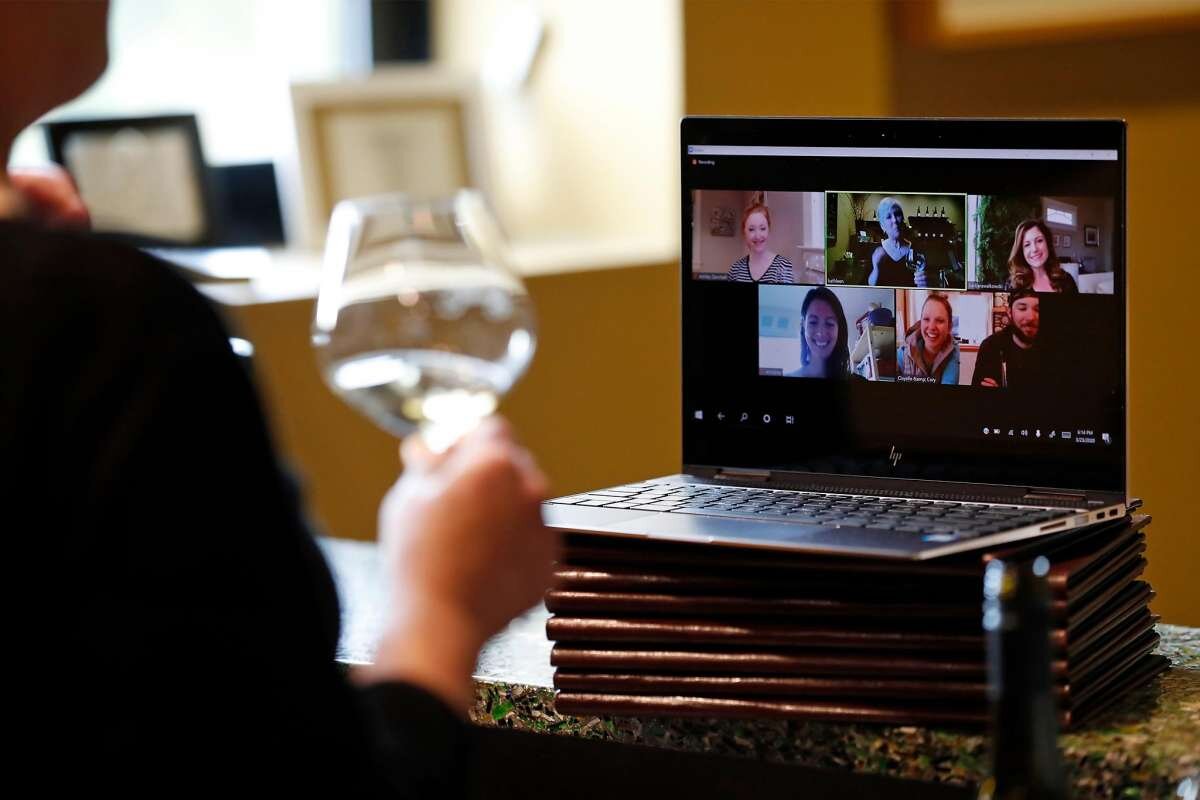
It’s only now as restrictions begin to ease and people tentatively move into a new normal that many of us have taken the time to reflect on Iso life. With a glass of wine in hand, over an end of week zoom meeting, I asked my fellow HR colleagues their thoughts on what changes they might ‘take back to the office’ when this is all over. (Who says us HR people don’t know how to have fun eh?)
remote working needs to stay (in someway)…
“The opportunity to connect with others in the office over casual banter and face to face collaboration is great for the dopamine hit, but equally important is the opportunity to lock yourself away at home and dive into deep work. ”
None of my colleagues want to see the end of remote working. While there are down sides to not seeing the team (particularly if you are a hardcore extrovert) the benefits of remote working far outweigh the negatives. The opportunity to connect with others in the office over casual banter and face to face collaboration is great for the dopamine hit, but equally important is the opportunity to lock yourself away at home and dive into deep work. It has also helped sort which meetings are essential and which ones are time wasters.
As we weighed up the pros and cons of being away from the office it became apparent that there appears to have been a drop in absenteeism. Charging full steam ahead into a recession could have a correlating effect on employee work ethic, however because people are able to structure their workday to suit them while working from home (ie. No commute, staggered lunch breaks, outside lunch time walks, later and earlier starts and finishes) people can work to their strengths and maintain their highest level of productivity. Instead of working set hours because the traditional 9 to 5 work-day dictates that we should, we personalised our work experience.
One colleague who works in local government said it was often the distraction of being at home that allowed the space to actually reflect and gain clarity on something they were working on. A great example of this is what a few of us refer to as the stacking the dishwasher head space. It’s only when you are able to briefly step away from the work environment and allow yourself reflection time that you find clarity in a problem or issue you had been mulling over. Sometimes this isn’t possible when we are constantly ‘on’ at work or in back to back meetings.
Similarly, one colleague working for a HR consultancy said they felt more productive as a result of taking short breaks throughout the day. It was actually a revelation that not every minute of each day needed to be accounted for. As a result of not being preoccupied with how productive they appeared to be, taking short breaks enabled people to be more productive than usual.
from process focused to outcome focused…
“As a result of not being preoccupied with how productive they appeared to be, taking short breaks enabled people to be more productive than usual.”
There was also a greater appreciation that not all people work in the same way. Focusing on the outcomes rather than the process is not new, but encouraging a whole organisation to do that en masse is. For some workplaces there has been a paradigm shift to trust their employees to self-manage the process and as a consequence they are now reaping the rewards of a more mature and self-sufficient workforce.
The one absolute from this experience is that people are incredibly adaptable. While the willingness to embrace or accept change may vary between employees, the reality is that everybody did. The fact that a significant number of employees had changes thrust upon them and had to learn new skills quickly, on their own, and from their lounge room, demonstrates the awesome ability of people to adapt.
let’s strike while the iron is hot…
It is for this reason that we unanimously agreed that rather than let things slide back to the way they were, now is the opportune time to make change. The old adage of strike while the iron is hot is apt before we revert back ‘to the way we used to do things’. Now is a great time to review our operating rhythms, abolish tedious processes and reconsider some of the practices that used to drain the time from our work-day.
While it has been an interesting few months experiencing, witnessing and reflecting on the myriad of changes to many workplaces, perhaps the changes over the next few months will prove to be even more interesting as we navigate our way towards the paradox of a new, old workplace.
We’re Here to Help…