Christmas parties create moments of fun, but they cannot compensate for a year where people feel undervalued or overlooked. True culture is built in the daily acts of appreciation that show people they genuinely matter.
Innovation doesn’t exist without creativity, but in a world where everything is being automated and generated, how do we keep the creative force flowing. It’s much easier than you think…
A practical look at how understanding communication styles can strengthen relationships, build trust and create more collaborative workplaces.
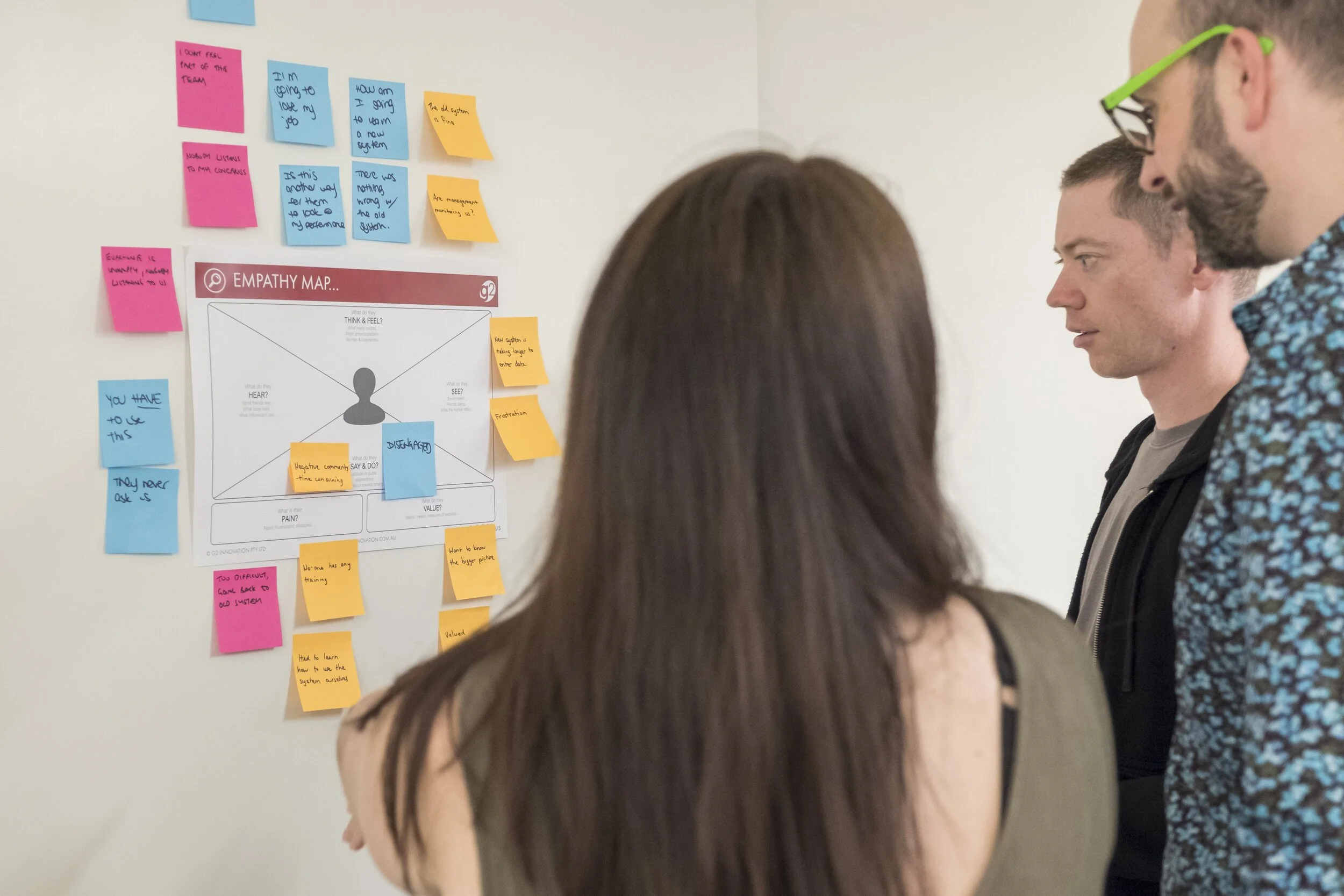
Frontline staff are often the public face of an organisation, they hear customer concerns, see where systems fail, where processes are cumbersome and when complaints go unaddressed. Some may see opportunities for change and growth, but when there isn’t a process to support ideas, they learn to stay close-lipped, becoming disgruntled and disengaged. Here’s how to capitalise on the ultimate insight to innovation, your frontline.
Change unsettles even the most experienced leaders. The real work lies not in managing the process, but in coaching people through the emotions, mindsets and possibilities that change brings.
Truth doesn't always deliver comfort or certainty. Sometimes it reveals fragility, invites conflict, destabilises what we'd rather keep stable. But silence, ambiguity, or lies? They corrode trust slowly, invisibly. Sadly, the cost to organisations is steep: disengagement, stifled innovation, internal fractures, and ultimately, loss of legitimacy.
On the surface, it signals progress. Beneath the surface, little changes. Performative change may look like a response to inefficiency or a nod to innovation, but without clarity, buy-in, and consistency, the change is all gesture and no shift.
Behind every great innovation lies a quiet truth.
It is not always flashy. It rarely shows up in data summaries. But it is the spark that shapes relevance, meaning, and momentum. Without it, we are just guessing.
The Insight Force is about finding the truth, building the discipline of discovery into the innovation process. It is where creativity meets rigour.
Change fails when leaders focus only on logic and ignore the human reality of transformation. This piece presents a three-part framework, value, emotion, and creativity, that addresses both the psychological barriers and practical obstacles that derail most change initiatives. Through concrete examples, it shows how working with people's natural resistance creates lasting change that people carry forward with pride.
From 40,000 childhood questions to silent meetings - explore how organisations kill curiosity and what leaders can do to reignite innovation
Discover how leadership and innovation work together to drive organisational success. Learn key strategies to build a culture of creativity, adaptability, and sustainable growth.
Most organisations say they want innovation. But very few create the conditions for it to happen.
The way your organisation works either supports innovation or stifles it. There is no neutral ground. Every process, policy, meeting, and metric either makes it easier to try something new or quietly signals that it is not worth the risk…
“Human-centred.” “Customer-centred.” “Community-centred.” “Client-centred.”
These words sound good, they feel good, and most of the time, the intent is genuine, however, too often, the reality doesn’t live up to the language.
Being truly people-centred; whether that’s customers, employees, clients, or communities, isn’t about what we say. It’s about how we design, deliver, and communicate everything we do.
For Innovation to succeed we need ‘The Enabling Force’. This isn’t a framework or a toolkit. It’s a conscious decision to stop blocking innovation and start making it possible. A commitment to design the space, the safety, and the signals that say: “It’s okay to explore here. In fact, it’s expected.”
Leading change isn’t just about planning, roadmaps and communications. It’s about understanding the emotions that drive behaviour change. That’s why leaders need to learn to feel first, act second.
What happens when we’re too quick to walk away from the discomfort; of conflict, of feedback, of feeling out of our dept? Could it be that we also walk away from the very conditions that breed insight, growth and innovation.
AI can make work faster, but how will you know if it’s quietly stopping you and your business from thinking? That’s the real leadership challenge.
When you think of autonomy at work, it’s easy to picture a handful of independent souls -those who take initiative and are trusted to “just get on with it.” But genuine growth in any business doesn’t come from lone wolves; it’s built on something deeper: collective autonomy.