

When it comes to innovating, the words you choose can have a huge impact.
We can choose to talk about learning from failure or frame it as experimentation.
We can add to an idea with “yeah but,” or instead say “yes and…”
In action, these examples demonstrate how reframing language can result in more positive and effective outcomes.
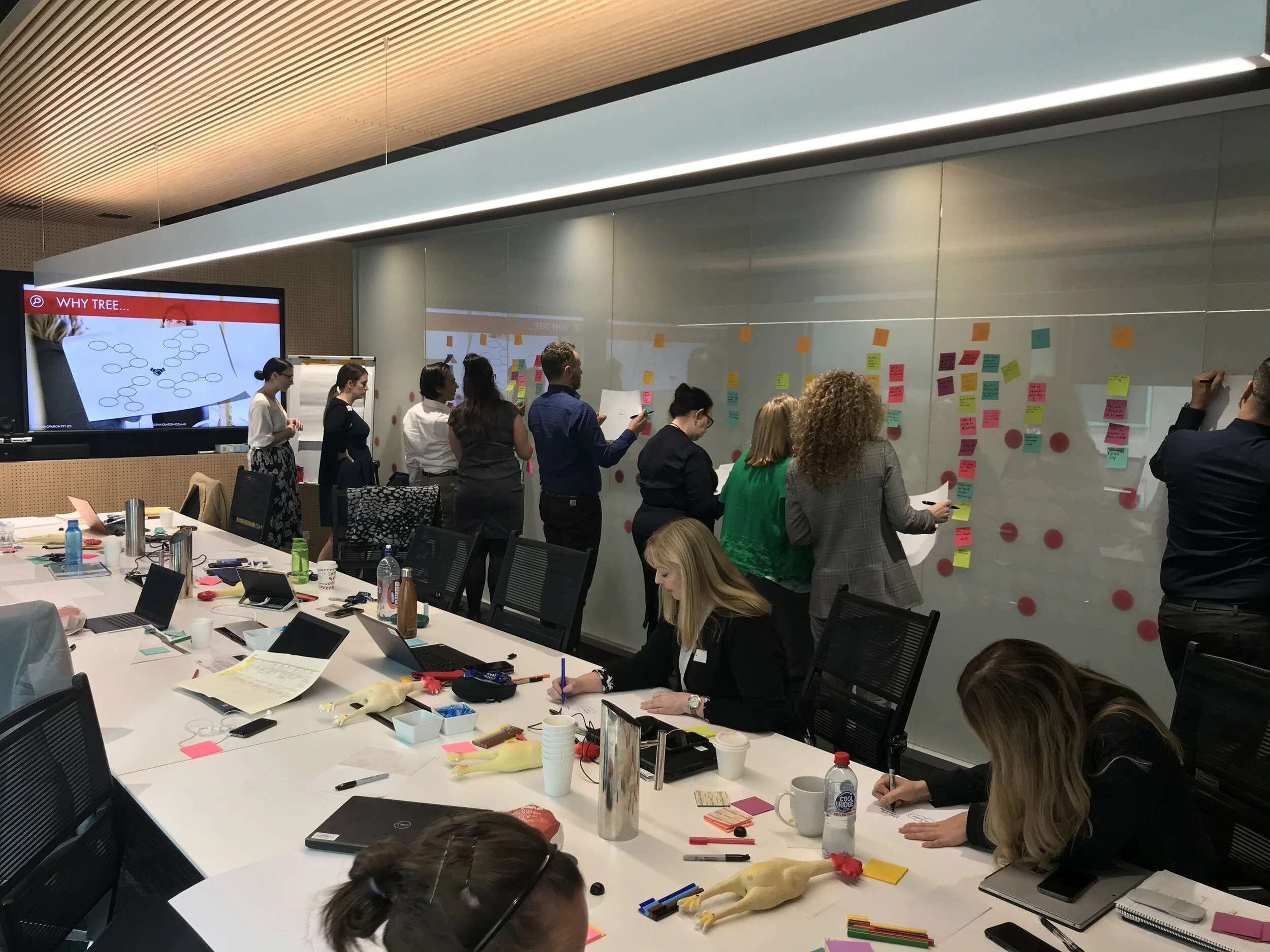
The way we work is shifting, it’s time to shift the way we talk about it too.
Sometimes, the words we use are so ingrained we don’t even realise the impact they have on people. Let’s take the words ‘Line Manager’. This derives from the industrial era when factory workers reported to the head of their line. Today, even in flat structured, progressive companies I still hear people use this terminology, which if left uncorrected, overtime eliminates accountability and empowerment.
Another example are the words ‘high performing.’
In businesses today, there’s a huge focus on creating high performing teams, but is ‘high performing’ the right thing for teams to be?
For me, the concept of ‘performing’ is synonymous with the theatre. The theatre is a place where the audience suspends disbelief and actors pretend to be something they are not. This continues until the curtain goes down, when the actors strip themselves of their persona and return to being themselves.
In contrast, authors like Brene Brown and Amy Edmondson encourage us to show up at work as our true selves. To be transparent, vulnerable and lean in to the discomfort of ‘being who we are’.
Courage starts with showing up and letting ourselves be seen. Because true belonging only happens when we present our authentic, imperfect selves to the world, our sense of belonging can never be greater than our level of self-acceptance - Brene Brown.
Performance is a pretence. It is not showing up as who you really are, it is about being ‘on’, ‘pretending’ and ‘convincing others.’ Many of us know someone who we are surprised to learn is insecure, sensitive and volatile outside of the office, but is considered strong, confident and often domineering in the office (or vice versa.) Unfortunately trying to keep a persona like this up, day in and day out, can be unrelenting and exhausting.
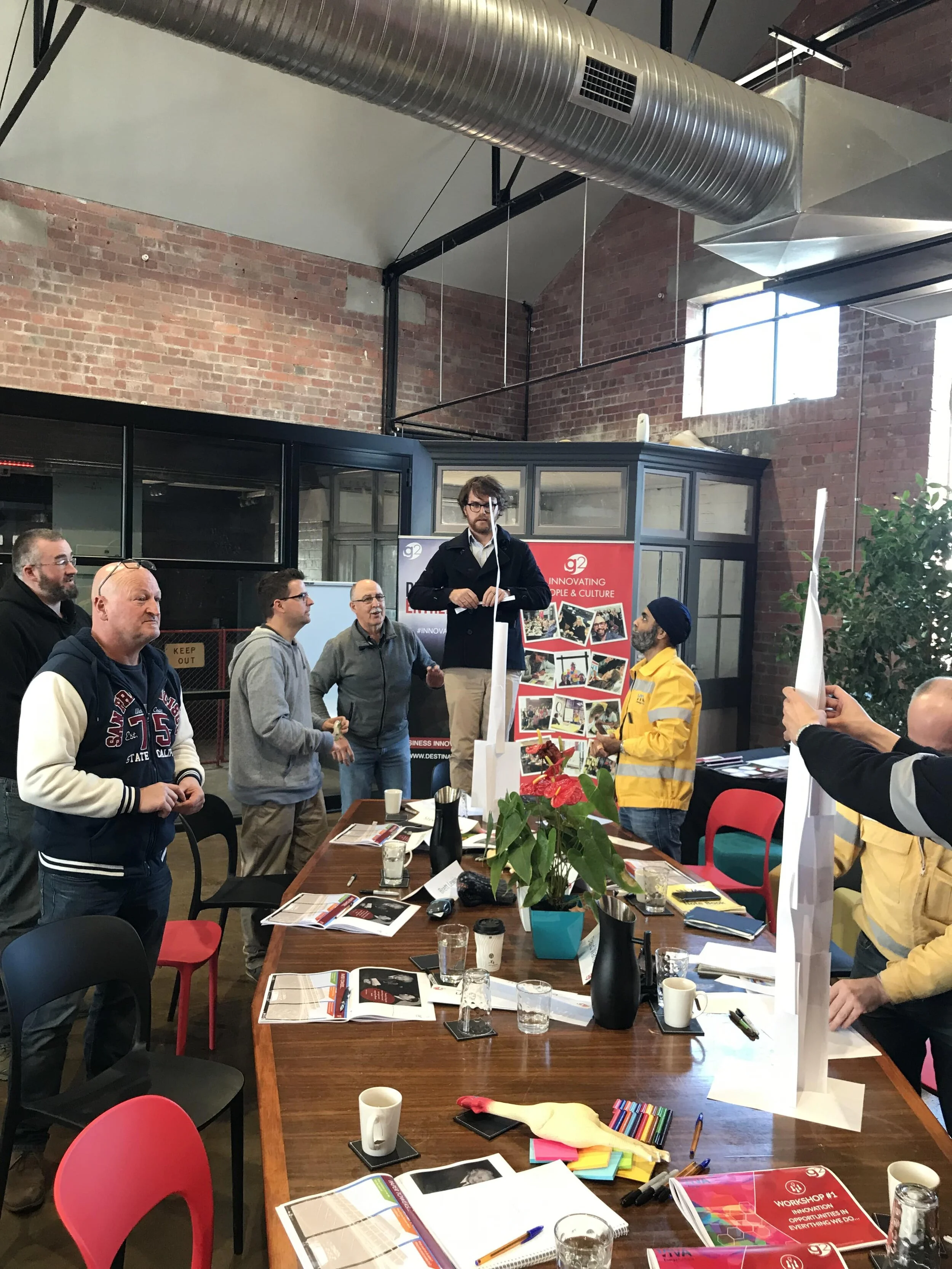
As technology changes the way we work, so too are the attributes we value. It’s time to change the narrative we use in the workplace.
When we go to a performance, the audience do not easily forgive mistakes. A forgotten line, a missed cue, a poorly lit solo, all leave us with a deep sense of disappointment.
The same, very often applies in the workplace. The stakes as a ‘high performing’ team or team member can be intense. There is far further to fall when you are on a pedestal. This can manifest itself as presenteeism, efficiency over efficacy or reactive behaviour guised as being fast-acting. The fear causing these behaviours is that just as we are disappointed because we’ve paid for a ticket to a subpar performance, leaders will be disappointed because they’re paying a salary for a subpar performer.
While there are forward-thinking organisations whose ‘high performing’ teams are well-balanced, proactive, collaborative, creative, and curious, why do we feel the need to label them using the language of the past?
Let’s stop talking about high performance and start using language that speaks plainly of the qualities we actually need.
At G2 we build innovative, curious and creative teams.
These teams…
Encourage creativity and exploration
See problems as opportunities for research, analysis and growth
Have trust in each other and in the team’s purpose — they feel free to express feelings and ideas.
Are clear on how to work together to accomplish tasks
Recognise that tension and friction is a natural part of challenging ourselves, but they can diffuse it in a relaxed and effective manner.
They come to work as themselves and leave as themselves. No mimicry, no over-acting, no tricks.
These teams are always in rehearsal: Experimenting, learning and supporting each other.
They aren’t performing. They are being curious, creative and innovative.