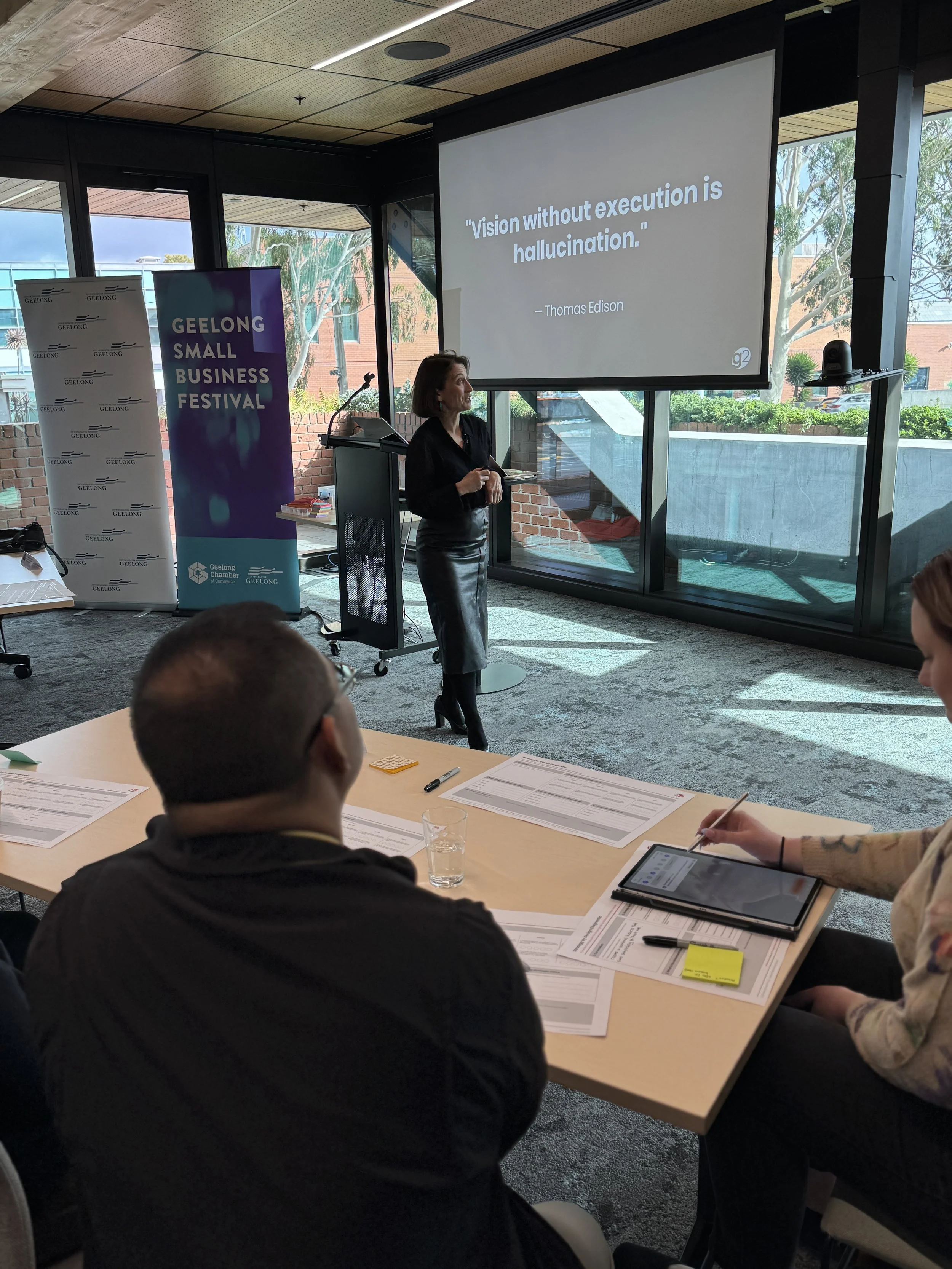
We have a philosophy here at G2 Innovation that underpins our own work and supports everything we do with clients. It is ‘fall in love with the problem and not the solution’. The crux of this philosophy is that so often people fall in love with the solution they’ve imagined before they fully appreciate what the real problem to be solved is.
Perhaps it’s because we’ve learnt early on in life that problem solvers are highly appreciated. You know the catch cry “come to me with a solution not a problem”? It’s also easy to fall in love with the solution when it was our ‘great’ idea in the first place! Sometimes executing the solution seems like the fun part. Whatever the reason, fixating on the solution without really understand the problem is, well, problematic. It can lead to false economy, where it feels like your saving time and money skipping the ‘discovery’ stage only to spend months or even years re-designing the solution because it didn’t solve the problem.
Fortunately, there are some easy and powerful tools that enable us to gain a full appreciation of the problem before we begin trying to solve it.
Ever sat in a meeting and heard someone say “well everyone is saying this and people are saying that this would work”? But who is everyone? How many people are we talking about? How can we verify the truth of this statement? Where is the data to back it up?

The valuable data we gather enables us to better understand the problem.
Here at G2 we believe that the single most effective way to understand a problem is to gather data. This allows us to support or disprove the initial hypothesis.
One of the easiest ways to gather data is through a survey. A survey is a quick, non-intimidating and relatively inexpensive way to gather data to help understand what is at the heart of the problem. A survey enables verification and validation of verbatim comments and provides analytics and numbers around statements.
It is worth bearing in mind though, that when you conduct a survey, the survey results will only ever be as good as the survey questions you ask. Without well thought out, well designed and well organised questions the success of the survey and the results you garner will be limited.
It’s also extremely important that you support survey data with ‘live’ data in the form of contextual research, interviews and observations. When you conduct interviews you can enhance the accuracy, validity and reliability of your survey and research findings. You can gather opinions, perceptions, attitudes and observations to corroborate or question the data you already have, valuably assisting you in its interpretation.
Another way of rapidly gathering contextual research is with ‘discovery’ and ‘idea’ jams. These are fast paced, time boxed collaborative workshops designed to continue building on data, continue learning and assist in problem identification.
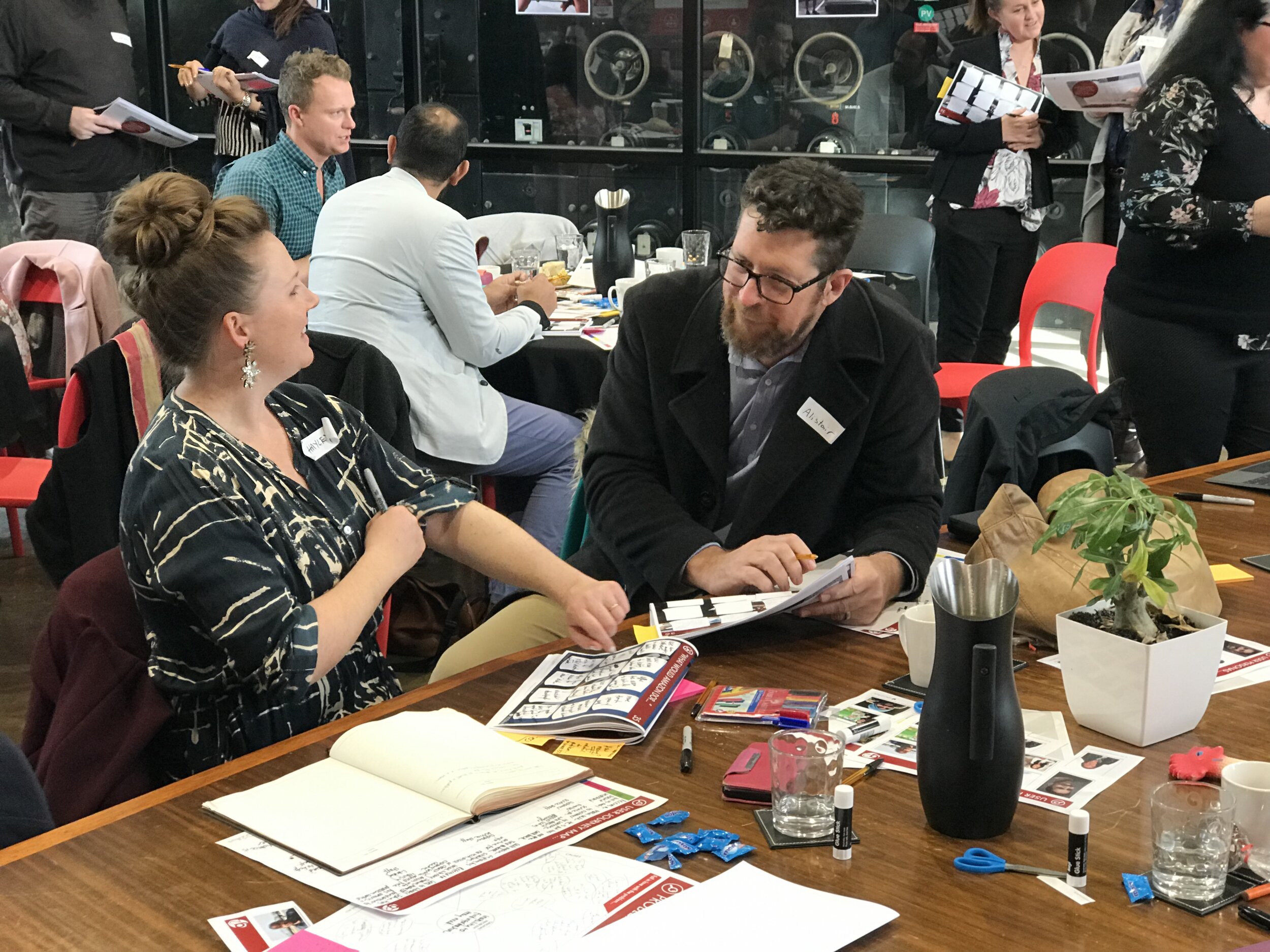
A thorough understanding of the problem combined with insight and stimulus creates the perfect environment for ideas to flow.
In a fun and interactive way, we use Design Thinking tools to gather insight from end users in conjunction with appropriate stimulus and provocation. Some of the tools used in Jams include persona mapping,
empathy mapping and customer journey mapping. We also employ ‘you’ think before ‘group’ think, ensuring that everyone has a space to think independently and not be swayed by dominant personalities or peer thinking.
The beauty of these tools is that while simple in execution they provide intricate detail and deep insight into the real problem enabling root cause analysis and greater empathic understanding.
Of course, it’s natural when dissecting a problem for ideas to flow, and this shouldn’t be thwarted. The ideas generated by your end-users will provide powerful insight and alternative perspectives to help you design a user-centric solution. This doesn’t mean the final solution must be from an idea generated by an end-user, but dismiss their views entirely at your peril.
It is now, at the conclusion of the Discovery phase and the beginning of the Design phase, armed with incredibly powerful insight and data and a mass of fresh ideas that you can consider the best solution to the problem.