
Most organisations understand that innovation matters. The challenge is knowing where to focus and how to prioritise.
The role of innovation strategy is not to chase every possibility. It is to help you make better choices about where to play, where to invest, and where you are genuinely positioned to create value. And as we outlined in our previous blog ‘When the Lights Came on: A story About Innovation Strategy’, businesses need to be considering their portfolio of ideas and initiatives.
One of the most useful places to look for these ideas is your competitive landscape.
This isn’t to copy your competitors or obsess over what they are doing. The goal is to understand what their behaviour reveals about the market.
Where are they strong? Where are they exposed? What are they ignoring? What are customers tolerating because they do not yet have a better option?
That is where innovation strategy becomes more than a list of ideas. It becomes a way of spotting openings.
Competitor weakness can be a market opportunity
A good innovation strategy asks you to look beyond what your competitors are doing well and pay close attention to what they are struggling to solve.
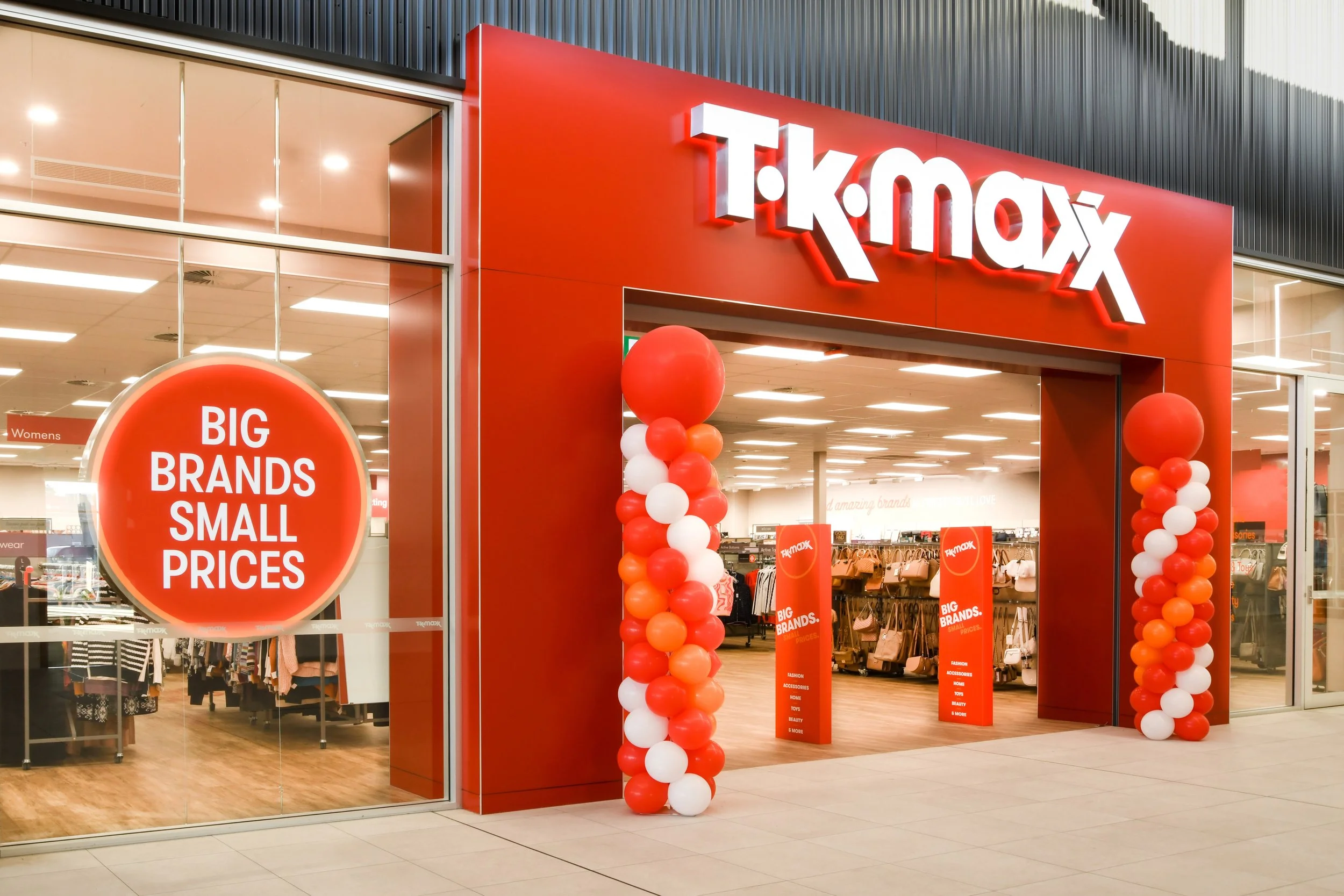
TK Maxx is a useful example.
At first glance, TK Maxx might look like a simple discount retailer. In reality, its model is much more strategic than that. It has built advantage around several weaknesses in traditional retail: overbuying, overproduction, stale inventory and price sensitivity.
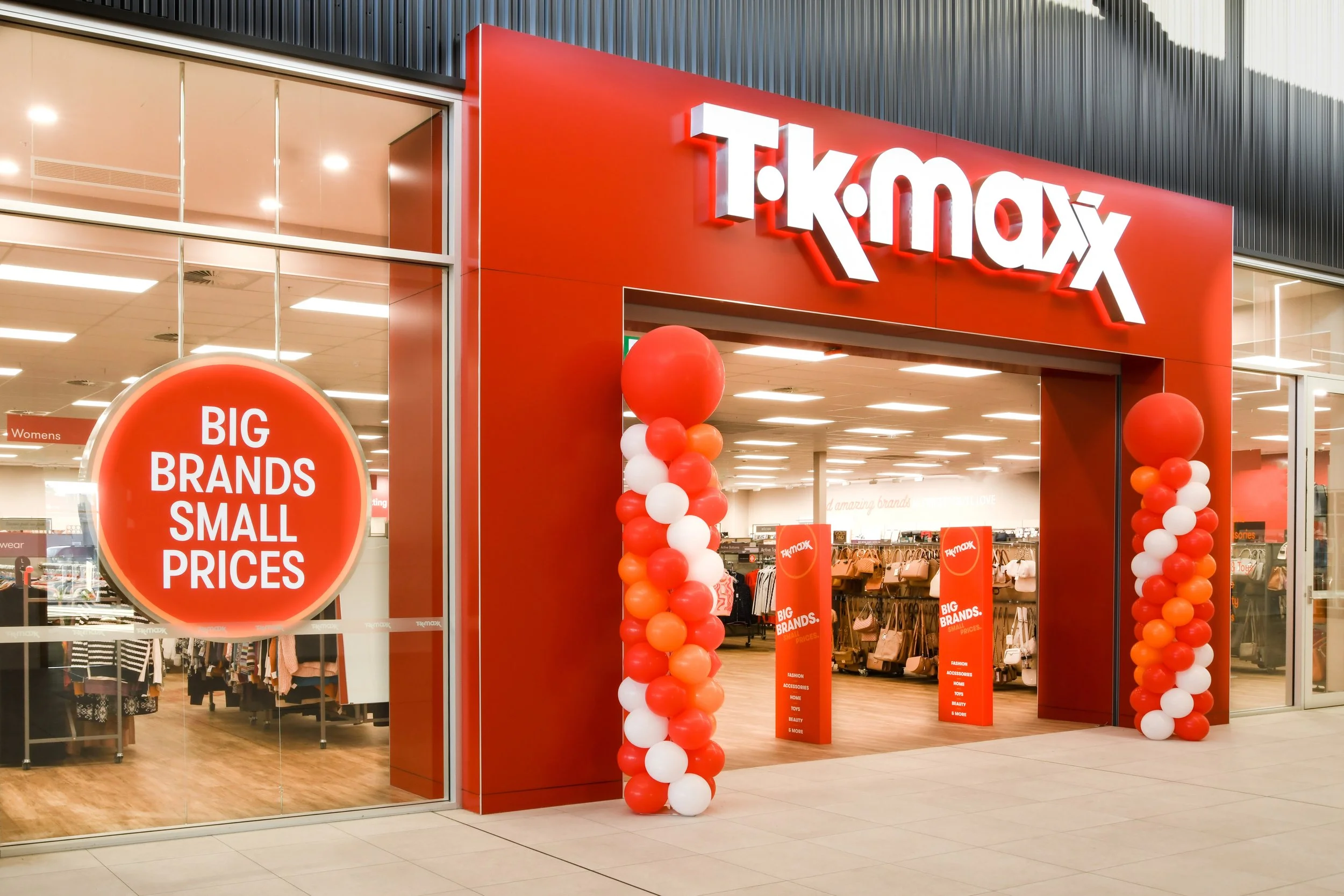
When designers overproduce or other stores overbuy, TK Maxx can step in, negotiate a lower price and pass savings on to customers. Its stores also change stock frequently, creating the “treasure hunt” experience customers come back for. This approach subverts the increasingly predictable nature of shopping - at TK Maxx the customer does not know what to expect and they like it.
The numbers make the point even stronger. In February 2026, parent company TJX reported full-year net sales of $60.4 billion, up 7% on the previous year, with comparable sales up 5%. Its international division, which includes TK Maxx and Homesense in Europe and Australia, also recorded full-year sales growth with comparable sales up 4%.
TK Maxx did not invent fashion. It did not invent discounting. It did not invent physical retail. Its advantage came from seeing where the existing system was inefficient and building an innovation strategy and business model that could benefit from those inefficiencies.
The lesson here is to look for the weakness in the current system.
Where is there waste?
Where is there friction?
Where are customers compromising?
Where are competitors locked into a model they cannot easily change?
Where has the market accepted something as normal that no longer needs to be?
That is often where the opportunity sits.
Being first is useful. Being ready might matter more.
There is a common myth in innovation that the winner is always the first mover.
Sometimes being first does help. It can create attention, brand recognition and category ownership. It can give you a head start. However, it can also be expensive.
First movers often educate the market, absorb the early mistakes and show everyone else what customers do and do not value.
Fast followers can learn from that.
We are seeing this play out in AI.
ChatGPT created the mainstream generative AI moment. It helped people understand what was possible and shifted expectations almost overnight. Since then, other players have moved quickly, not simply by copying the original, but by competing on different dimensions: openness, integration, cost, speed, privacy, enterprise use cases and specialisation.
That is the fast-follower lesson.
You do not always need to create the first version of the category. Sometimes the opportunity is to watch what the first wave reveals, then build something more accessible, more trusted, more useful or better suited to a particular market. It’s about listening to what customers are saying and doing - and acting on that.
A strong innovation strategy asks a better question than:
How do we get there first?
It asks:
What is the market learning, what are others missing, and where are we unusually well placed to respond?
Competitor analysis should lead to better choices
Competitor analysis is not about creating a spreadsheet that sits in a drawer waiting for the next offsite. It should help keep you sharp, boost creativity and give you strategic edge. Some of the questions, you need to be asking areP;
What are your competitors doing well?
This helps you understand the minimum standard in the market. If customers now expect something as a minimum, you need to know.
Where are they vulnerable?
Look for slow service, clunky experiences, overcomplicated products, lack of personalisation, weak trust, high cost or outdated assumptions.
What are they not seeing?
Some organisations are so focused on their current model that they miss emerging needs, underserved customers or adjacent opportunities.
Where are customers frustrated?
Customer complaints, workarounds and “I wish someone would just...” moments are often early signals of innovation opportunity.
Who are your indirect competitors?
Sometimes the biggest threat is not another organisation that looks like you. It is a different kind of organisation solving the same customer problem in a more convenient, affordable or desirable way.
Where could you be a fast follower?
Not every organisation needs to lead the category. Sometimes the smarter move is to let the market signal what matters, then respond quickly with a clearer, better or more trusted version.
Difference is not the same as advantage
Many organisations talk about differentiation as if being different is enough.
It is not.
A real competitive advantage sits at the intersection of what customers value, what the market is missing, and what your organisation can credibly deliver.
That means your innovation strategy needs to be grounded in both external awareness and internal honesty.
What are you genuinely good at?
What assets, relationships, capabilities or insights do you already have?
Where do customers already trust you?
What could you build or strengthen faster than others?
What would be difficult for competitors to copy?
The aim is not to innovate everywhere. It is to find the opportunities where you have a right to play and a chance to win.
Innovation strategy gives you focus
Without strategy, competitor analysis can easily become reactive.
A competitor launches something, so you launch something. A new technology appears, so you feel pressure to use it. A customer asks for something, so you add it to the roadmap.
Strategy helps you pause long enough to ask better questions.
Does this fit our purpose?
Does this serve the customers we are choosing to prioritise?
Does this strengthen our position in the market?
Do we have the capability to deliver it well?
Are we leading, following, partnering or deliberately staying out?
Innovation strategy is not about chasing every trend or being first at any cost. It is about understanding where the market is moving, where your competitors are exposed, and where your organisation can create meaningful value.
The organisations that thrive are not always the ones with the most ideas. They are more likely, the ones paying attention.
They spot the gap. They understand the timing. They know when to lead and when to follow fast.
They know how to move.
If you’re interested in learning more about Innovation, join our weekly conversations. Every Thursday at 8.30am AEST on LinkedIn.