
In 2017, we published an article about the impending arrival of Amazon in Australia and what we thought it would mean for Australians. (www.g2innovation.com.au/blog/2017/11/23/how-the-amazon-effect-will-impact-every-australian.)
At the time, much of the conversation was about Amazon itself. Would Australians use it? What would happen to local retailers? Could Australian businesses compete? The article argued that the bigger impact wouldn't necessarily be Amazon taking everyone's customers. It would be the way Amazon changed what customers expected from everyone else.
We predicted that patience for delivery would shrink, online service expectations would rise and Australian businesses would either need to perform at a similar level or find other ways to give customers something Amazon couldn't.
Nine years later, an ABC article on the "Amazon effect" suggests the article wasn’t too far off. Gen Z consumers now expect same-day or next-day delivery, and Australian businesses are changing the way they operate in response. (https://www.abc.net.au/news/2026-01-21/amazon-effect-gen-z-expect-deliveries/106137160)
The interesting question now is: what will we be saying the same thing about in 2036?
Gen AI is the obvious place to start.
It has already changed the way many of us communicate, find information and complete everyday tasks. Increasingly, it is also changing the way we shop.
Bunnings has launched Buddy, an AI shopping assistant designed to help customers work out what they need for a particular project. Kmart is developing its own AI shopping experience, Joy, and Wesfarmers has been investing heavily in what is being described as agentic commerce.
Imagine typing: "I want to paint the nursery yellow" and rather than searching for paint, then brushes, then drop sheets, then storage, curtains and a lamp, your AI assistant could potentially work out what you need, compare the options and present the whole project back to you.
Eventually, it may do considerably more than present options. We may start delegating purchasing decisions altogether.
"Find me a dishwasher under $1,200 that fits this space, is reliable and can be delivered by Friday."
Done.
The implication for business is significant. If consumers get used to asking once and receiving a complete solution, how tolerant will they be of businesses that still make them search through menus, visit three websites, repeat information or work out the solution themselves?
Then there is speed.
Amazon taught us to expect deliveries faster. The next decade could reduce that patience even further as automation, robotics and drone delivery continue to develop.
We may reach a point where waiting a day for something feels surprisingly inconvenient.
Again, this isn't really about parcels.
Once you become accustomed to getting an answer immediately in one environment, waiting three days for someone to respond to an email feels different. Sitting on hold feels unbearable. Filling in a form containing information an organisation already holds seems utterly ridiculous. Basically, expectations travel.
Hyper-personalisation will do the same.
We are steadily creating an environment where technology knows more about our preferences, behaviours and needs. We already expect Netflix to know what we might watch and Spotify to know what we might listen to. That's just commonplace now.
By 2036, I believe generic experiences will feel increasingly strange.
Why am I receiving information that has nothing to do with me? Why am I being offered the same service as everyone else? Why do I have to explain my circumstances again when you already have the information?
Consumers may expect organisations to recognise them as individuals rather than categories.
Then there is the way we think about ownership itself.
Vinted only launched in Australia in July and quickly became one of the country's most downloaded apps. Its arrival has already put pressure on existing resale platforms, with Depop changing its Australian fee structure shortly afterwards. Ebay is attempting to turn themselves into an infotainment centre, where sellers can create their own video sales channel for their second-hand goods.
Of course, secondhand shopping isn't new. What is changing is how easy, normal and exciting it is becoming.
Buying something, using it for a while and selling it again can now be part of the purchase decision from the beginning. That's already how my 16 year old daughter is thinking.
By 2036 we may ask very different questions about products.
How long will it last? Can I repair it? What will it be worth when I'm finished with it? Could I rent it instead? Do I actually need to own it at all? Perhaps it won't just be buildings that we're testing for appreciation.
So how is this going to change Australians?
Just as it has done in the past decade, technology will continue removing friction. Things will become faster, easier, more personalised and increasingly automated. Once people experience that level of ease somewhere, they will expect it everywhere.
That applies to retailers, but also banks, councils, universities, hospitals, consultants, insurers, trades, professional services and almost every other organisation serving humans.
Which makes this a leadership issue.
Most leaders can’t control where technology goes next, or exactly how consumer behaviour will change in response. They can pay attention to what is emerging, question the assumptions their organisation is currently built around and make deliberate choices about where they need to adapt.
This leaves leaders with two jobs:
Find ways to remove the unnecessary friction customers will increasingly refuse to tolerate.
Invest deeply in the things technology makes more valuable rather than less: knowledge, judgement, trust, experience, care, community, conversation and human connection.
Almost a decade ago, Amazon raised the bar on convenience. Over the next decade, AI and automation may raise it beyond anything we imagined then.
Interestingly, perhaps the antidote to all that acceleration hasn’t changed at all. The more frictionless the world becomes, the more noticeable it will be when somebody makes us feel genuinely seen.
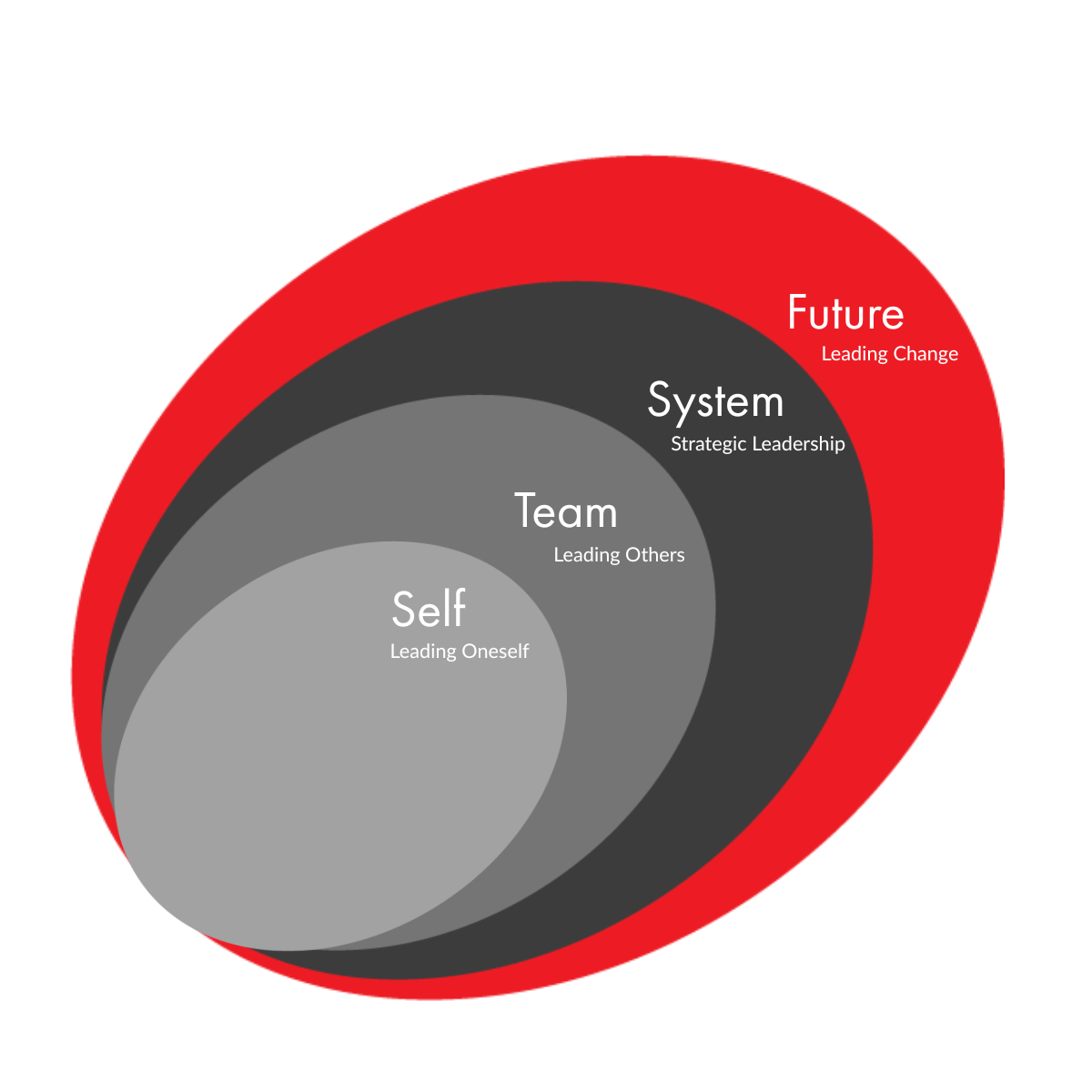
At G2 Innovation, we often describe leadership through four lenses: Leading Self, Leading the Team, Leading the System and Leading the Future.
Leading the Future requires us to lift our eyes from today’s problems long enough to notice what is changing around us. It means asking: What is emerging now? How might it change what people expect from us? What do we need to start changing before those expectations arrive?
In 2017, Amazon was one of those signals.
What are you looking at today that will seem equally obvious in 2036.
Wondering how to stay abreast of these signals and get ahead of the ‘next big thing’?