Customer-centricity is fundamental to the success of any organisation. Many organisations are transforming their ways of working to be more customer-centric, but for teams such as Procurement, Finance, Audit and Compliance the customer can feel far removed from their work, and internal requirements can overshadow the greater purpose.
The Procurement and Systems team of our client, a major healthcare provider faced just this challenge. Here’s how we helped them overcome it.
We believe that every leader in the 21st century needs to be innovative. In this infographic we share the qualities you need.
We use Design Thinking as the engine for innovation. But, Agile and Lean are also high-rotation words in the innovation space. So, what are they? And what’s the difference?
Continuous transformation in the workplace is the new norm. To meet this new world and prepare for the future of work, HR teams are shifting focus from resource management to talent management, from recruitment to engagement, from internally focussed to user focussed, from hierarchical structure to empowering individuals.
G2 Innovation’s Co-Founder, Andrew Jones is UK born. In this blog he reflects on four years running an innovation training company here in Australia.
Merryn Olifent spent New Year’s Eve 1999 in the boardroom of Hewlett Packard waiting for the Y2k crisis. Since then, she’s been at the forefront of digital technology and marketing. We asked her to share the most significant changes to marketing.
The healthcare focus has shifted from volume to value, but it doesn’t remove existing pressures on an already stretched system. That’s why Design Thinking is the perfect framework to drive healthcare innovation - it thrives on barriers, and restrictions, by using fast, cheap and efficient tools and processes to create impact.
Never before have end-users been so empowered. No longer passive observers, end-users are active participants who educate themselves about your products and services long before they engage with your organisation.
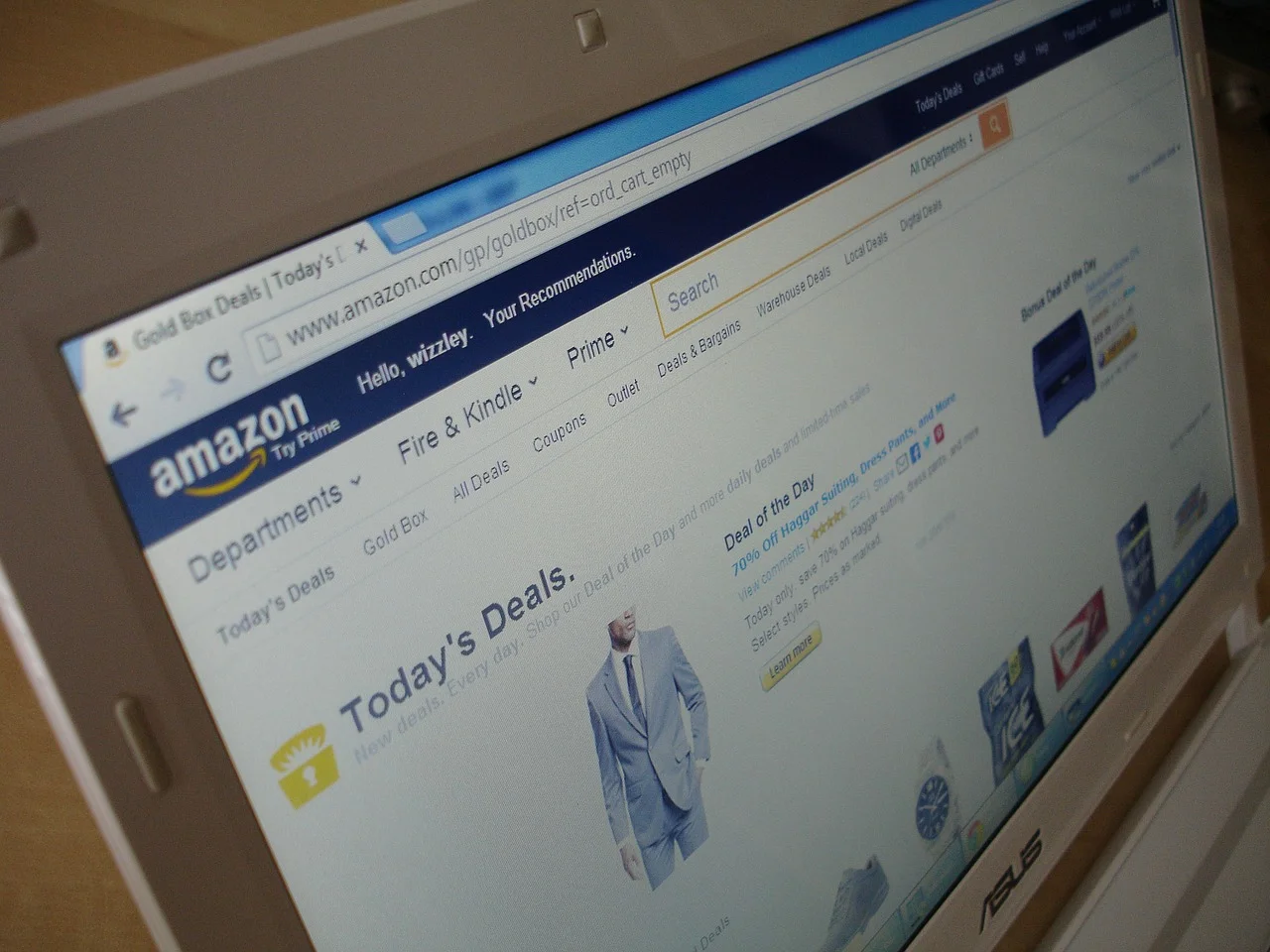
If you work in or own a business, then Amazon will change the life of the people (customers, colleagues, stakeholders) around you. This is because Amazon does a few things very, very well and sooner or later, these people will expect the same from you.
Here are three examples of how the 'Amazon Effect' will have side-effects for every Australian.
If the skyrocketing success of Uber, Xero, Airbnb or Deliveroo has taught us anything, it’s that user-centric principles can be applied to the service industry as well as product creation. Here are 3 examples of successful user-centric innovation that transformed their organisations.
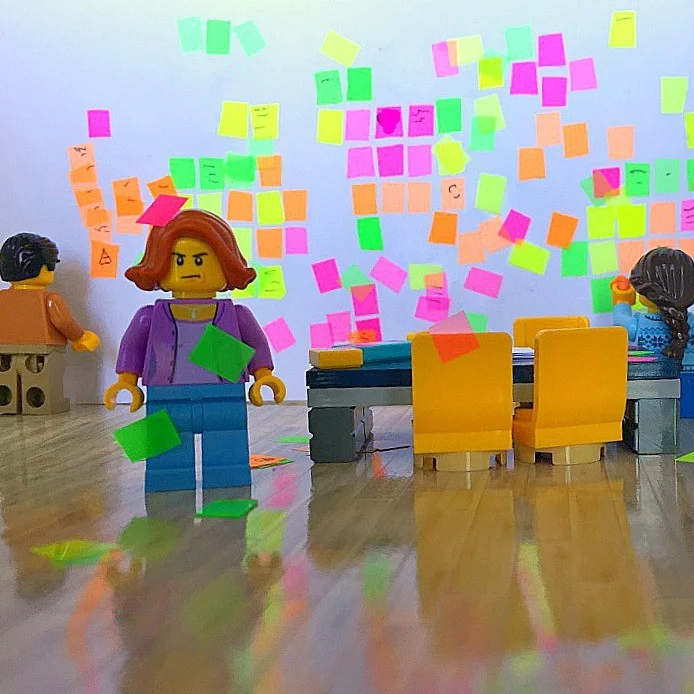
Images of Post-its, Plasticine and Lego have become synonymous with Design Thinking training, but you'd be forgiven for wondering if they are really what this powerful process is about. In this blog we bust some misconceptions and give you a taste of our training workshops.
In a world that is increasingly reliant on technology, will humans be the difference between growth and instability? We think so! In our latest blog we discuss the trend for human-centricity and why business needs to sit up and take notice.
Hollywood movies like 'Horrible Bosses' and the TV series 'The Office' have captured the topic of toxic workplace culture with hilarity. Most of us "get it" because we've experienced a workplace culture fail, from the extreme of a boss to be feared to the life-sapping office vibe. We discuss the role Design Thinking can play in curing these unhealthy cultures and building better businesses.
Increasing customer intimacy is one of the most common goals of the 21st Century business. Are Co-creators the secret?
2016 is likely to go down as one of the most significant 12 months in politics of the 21st century, however, these events also mark an opportunity for a new kind of leadership in politics and business alike. The peoples' voices have not been heard, so now it's time to learn to listen. Andrew Jones' discusses how a Design Thinking approach has the potential to provide the solution.
Buzz phrases like low-fi and MVP might stem from silicon valley, but there's another industry that's been pioneering lean, iterative and highly creative behaviour for generations, and both big and small business could learn a thing or two from them...
What is Design Thinking and why has it become the go-to process for problem solving, innovation and driving a business and brand forward?
Start-ups may be what's hot in the media and political agendas at the moment, but there's another economy growing opportunity we all need to paying attention to, and that's the scale-up. In this blog we discuss how the scale-up is essential to shaping a more vibrant and progressive economy.


![10 Qualities of a Successful Innovation Leader [Infographic]](https://images.squarespace-cdn.com/content/v1/5476dee1e4b017ea6bb1b33a/1570672334092-ZVZ11Q4LOMQY04BYNJ2D/10-Qualities-of-a-successful-innovation-leader_G2-Innovation-compressed-1.png)