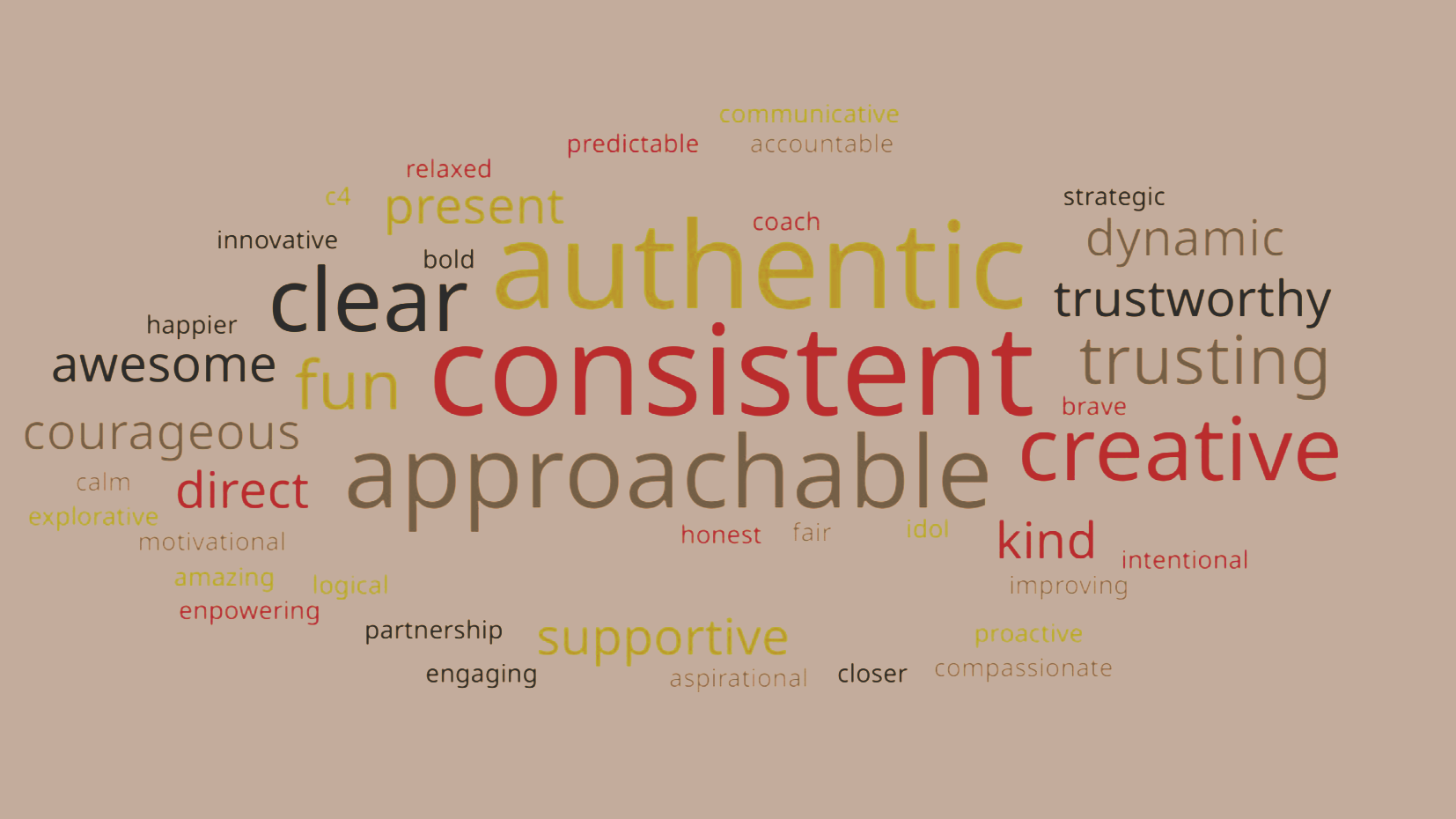
Christmas parties create moments of fun, but they cannot compensate for a year where people feel undervalued or overlooked. True culture is built in the daily acts of appreciation that show people they genuinely matter.
Innovation doesn’t exist without creativity, but in a world where everything is being automated and generated, how do we keep the creative force flowing. It’s much easier than you think…
A practical look at how understanding communication styles can strengthen relationships, build trust and create more collaborative workplaces.
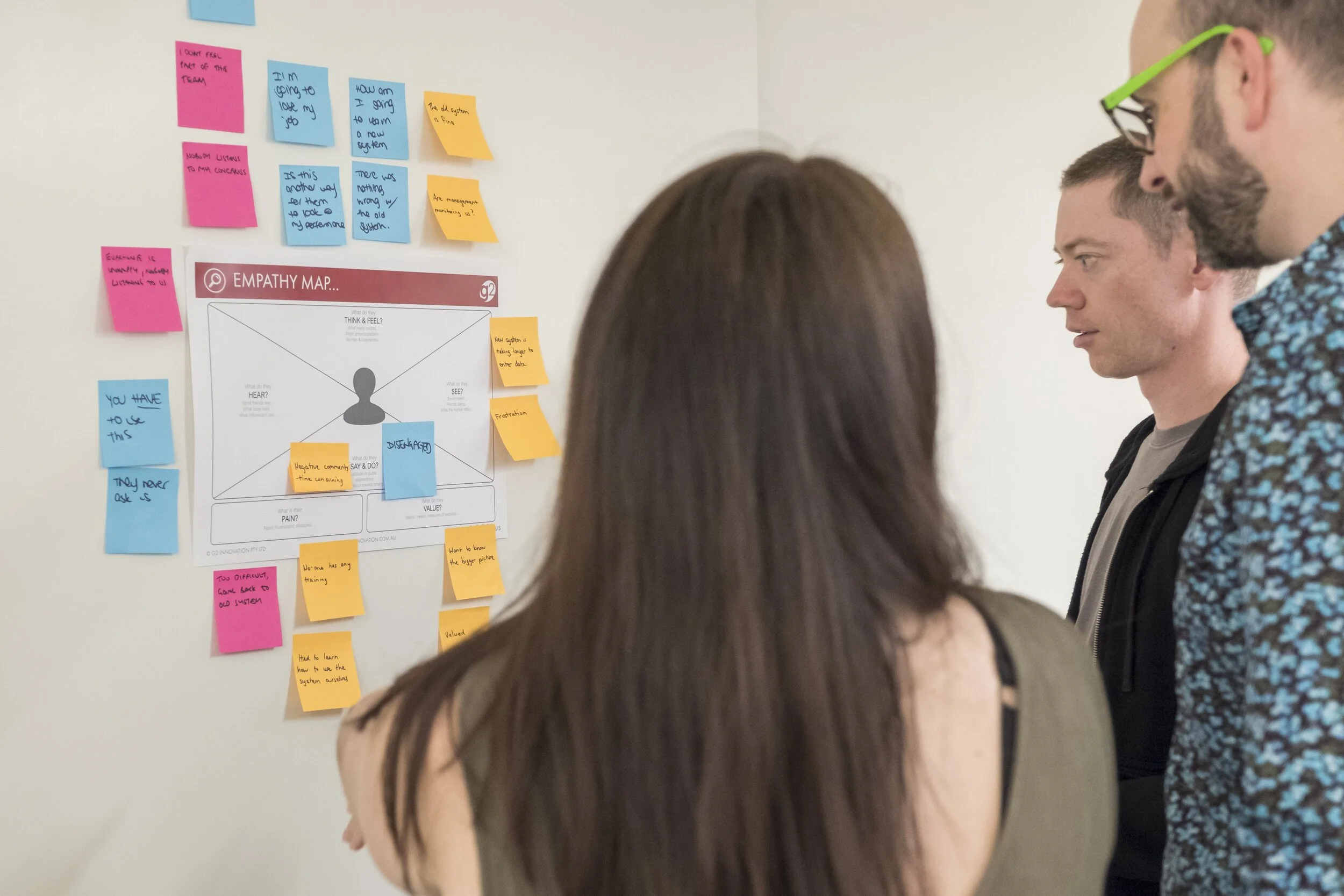
Frontline staff are often the public face of an organisation, they hear customer concerns, see where systems fail, where processes are cumbersome and when complaints go unaddressed. Some may see opportunities for change and growth, but when there isn’t a process to support ideas, they learn to stay close-lipped, becoming disgruntled and disengaged. Here’s how to capitalise on the ultimate insight to innovation, your frontline.
Change unsettles even the most experienced leaders. The real work lies not in managing the process, but in coaching people through the emotions, mindsets and possibilities that change brings.
Truth doesn't always deliver comfort or certainty. Sometimes it reveals fragility, invites conflict, destabilises what we'd rather keep stable. But silence, ambiguity, or lies? They corrode trust slowly, invisibly. Sadly, the cost to organisations is steep: disengagement, stifled innovation, internal fractures, and ultimately, loss of legitimacy.
On the surface, it signals progress. Beneath the surface, little changes. Performative change may look like a response to inefficiency or a nod to innovation, but without clarity, buy-in, and consistency, the change is all gesture and no shift.
Behind every great innovation lies a quiet truth.
It is not always flashy. It rarely shows up in data summaries. But it is the spark that shapes relevance, meaning, and momentum. Without it, we are just guessing.
The Insight Force is about finding the truth, building the discipline of discovery into the innovation process. It is where creativity meets rigour.
Change fails when leaders focus only on logic and ignore the human reality of transformation. This piece presents a three-part framework, value, emotion, and creativity, that addresses both the psychological barriers and practical obstacles that derail most change initiatives. Through concrete examples, it shows how working with people's natural resistance creates lasting change that people carry forward with pride.
From 40,000 childhood questions to silent meetings - explore how organisations kill curiosity and what leaders can do to reignite innovation
Discover how leadership and innovation work together to drive organisational success. Learn key strategies to build a culture of creativity, adaptability, and sustainable growth.
Most organisations say they want innovation. But very few create the conditions for it to happen.
The way your organisation works either supports innovation or stifles it. There is no neutral ground. Every process, policy, meeting, and metric either makes it easier to try something new or quietly signals that it is not worth the risk…
“Human-centred.” “Customer-centred.” “Community-centred.” “Client-centred.”
These words sound good, they feel good, and most of the time, the intent is genuine, however, too often, the reality doesn’t live up to the language.
Being truly people-centred; whether that’s customers, employees, clients, or communities, isn’t about what we say. It’s about how we design, deliver, and communicate everything we do.
For Innovation to succeed we need ‘The Enabling Force’. This isn’t a framework or a toolkit. It’s a conscious decision to stop blocking innovation and start making it possible. A commitment to design the space, the safety, and the signals that say: “It’s okay to explore here. In fact, it’s expected.”
Leading change isn’t just about planning, roadmaps and communications. It’s about understanding the emotions that drive behaviour change. That’s why leaders need to learn to feel first, act second.
What happens when we’re too quick to walk away from the discomfort; of conflict, of feedback, of feeling out of our dept? Could it be that we also walk away from the very conditions that breed insight, growth and innovation.
AI can make work faster, but how will you know if it’s quietly stopping you and your business from thinking? That’s the real leadership challenge.
When you think of autonomy at work, it’s easy to picture a handful of independent souls -those who take initiative and are trusted to “just get on with it.” But genuine growth in any business doesn’t come from lone wolves; it’s built on something deeper: collective autonomy.
It is a practice, one that demands as much of our inner world as our outward actions. In today’s turbulent and unpredictable environment, the qualities of a great leader are less about technical know-how and more about who you are, how you show up, and how you help others find their own footing.
Having worked with leaders at every level, through crises, restructures, missed opportunities, and those rare days when everything comes together - what stands out isn’t charisma or heroics. It’s the everyday choices. It’s the willingness to be seen, to listen, to change course, and sometimes, to get out of the way.
Below, I offer my own take on what makes a truly great leader. These are not boxes to be ticked, nor are they reserved for those with certain titles or a corner office. They are qualities to be practised, grown, and refined over a lifetime.
A while ago, I found myself facing disappointment on two fronts in the space of a week. At the start of the weekmy daughter felt the sting of being rejected for a coveted role at school; by Friday, my team and I narrowly missed out on a significant tender opportunity. I won’t pretend - both hurt.
My daughter’s reaction was beautifully raw and honest. She had a good cry, spent the evening wallowing, and confessed her biggest fear: what would other people think? By morning, she had gathered herself and told me, quite matter-of-factly, “Everyone gets more no’s than yes’s in life,” before setting her sights on the next challenge.
As for myself, I found comfort in sharing my feelings with a trusted colleague, took a walk to clear my mind, and, after a moment of throwing my own “teddies out of the pram,” shifted into a mindset of learning and growth. Reflecting on these moments, I realised they encapsulate so many of the qualities I see in great leadership: resilience, vulnerability, self-awareness, and the willingness to move forward, not in denial of disappointment, but because of what we’ve learned from it.
The best leaders know themselves. They are honest about their strengths and weaknesses and welcome feedback as an opportunity for growth rather than a threat to their authority. True self-belief is not loud or showy; it’s grounded in reflection and the quiet confidence to roll up your sleeves in a crisis, without ego taking over. In moments of uncertainty, this kind of self-awareness allows leaders to step in when needed, and to step back when others are better placed to act.
It takes strength to be vulnerable, especially in a world that often prizes certainty and bravado. Great leaders share their challenges and mistakes openly, making it safe for others to do the same. Vulnerability is not about oversharing or seeking sympathy; it’s about demonstrating that you’re human, and in doing so, building trust across your team.
Download your copy of the Infographic
There is no one-size-fits-all approach. The ability to adapt - to flex your style according to the needs of your people and the moment - is the hallmark of effective leadership. Sometimes it means guiding with a steady hand; sometimes it means coaching, supporting, or simply getting out of the way. Great leaders read the room and adjust their approach, recognising that what got them here may not get them there.
True empathy goes beyond listening to the words. It’s about seeking to understand others’ perspectives and leading with compassion as well as logic. The best leaders never assume that their title equates to rightness. They foster a culture where everyone’s voice matters and where decisions are made with people, not just processes, in mind.
If you want to grow a resilient, innovative organisation, curiosity is non-negotiable. Leaders who ask questions, embrace change, and encourage experimentation are the ones who adapt and thrive. Crucially, they reject the notion of failure as a dead end. Instead, mistakes become lessons, an ongoing opportunity to learn and improve.
Setting a clear direction is only half the battle. Great leaders translate vision into action by thinking ahead, weighing options, and navigating complexity with sound judgement. They bring clarity to the chaos, help people understand the “why” behind the work, and make decisions that are responsive, not simply reactive.
Setbacks are inevitable, but how you respond makes all the difference. Resilient leaders face adversity with perspective and determination. They model calm when others are rattled and demonstrate that setbacks are not endpoints, but opportunities to regroup and try again.
Empowering others isn’t just about delegation. It’s about creating the space and safety for people to do their best work, providing clarity of objectives, and then trusting them to deliver. Great leaders celebrate entrepreneurial spirit and encourage ownership at every level, knowing that people thrive when given both freedom and responsibility.
Standing by your values is never easy, particularly when the stakes are high. Leaders with moral courage speak up for what’s right, not just what’s easy. They listen deeply to what matters to others and are willing to take a stand, even when it means facing discomfort or opposition. In doing so, they set the tone for integrity throughout the organisation.
No leader succeeds alone. The strongest organisations are built on a foundation of collaboration and inclusion. Great leaders foster belonging, value diverse perspectives, and act as coaches and mentors to build cohesive teams. When everyone is encouraged to contribute, the collective intelligence of the organisation rises.
Great leadership is not about having all the answers, or always getting it right. It’s about staying open, resilient, and focused on the growth of yourself, your people, and your purpose. These qualities are not innate gifts; they are choices, made moment by moment, that over time shape the culture and direction of your team.
As the world shifts, so must we. The best leaders are those who never stop learning, who can balance clarity with curiosity, and who lead with both courage and care. If you’re working on even half of these qualities, you’re on the right track.
Want to boost your team’s leadership skills? Our Leadership Programs could be the answer.
Ambition fuels vision and purpose at every level
Smart risk-taking drives innovation and growth
Perseverance turns setbacks into opportunities
Empowerment and care build high-performing teams
Passion and optimism are contagious
In a world that celebrates humility, ambition has become, in some circles, a dirty word - something to hide for fear of appearing arrogant or self-serving. But humble and ambitious are not mutually exclusive. In fact, the most resilient businesses I’ve seen, whether global players or local start-ups, tend to strike the balance between restless ambition and the humility to learn, adapt, and admit when they’ve got it wrong.
It’s those organisations that aren’t content with “good enough,” yet are open enough to feedback and challenge, that come closest to future-proofing themselves. And every one of them has ambition woven through, at every level.
So, what does ambition actually look like in practice? It’s not just chasing growth for growth’s sake. Ambition is a nuanced blend of vision, courage, resilience, empowerment, care for people, and that ineffable spark, energy and optimism that sets remarkable businesses apart.
Here’s why ambition still matters for success, and how to nurture it in your organisation.
Ambition begins with clarity of vision. A compelling statement in a slide deck isn’t enough; the vision must feel real and relevant to everyone in the business. When people can see themselves in the story - when they feel personally invested in the outcome - ambition takes root and grows.
This isn’t about compliance with targets; it’s about a shared sense of purpose. Teams with real ambition ask, “How can we make this vision matter, not just for the business, but for ourselves and our customers?” When that happens, extraordinary results follow.
No ambitious business gets far without a healthy appetite for risk. But risk-taking isn’t recklessness—it’s curiosity, coupled with the courage to explore possibilities. Businesses content with the status quo are inevitably overtaken by those willing to reframe problems and try something different, even when it feels uncomfortable.
What holds people back? Often, it’s those “ugly comfy jumpers”; the limiting beliefs that tell us to play it safe. We know them well, and they keep us comfortable, but rarely do they serve us. The most ambitious organisations help people shed those jumpers, creating environments where experimentation is not just tolerated, but expected.
Ambition is tested in adversity, not in ease. Every setback, every “no,” every near-miss, is an invitation to grow. The most ambitious businesses, and the people within them, are those who find meaning in setbacks. They reflect, adapt, and persist, seeing each challenge as a necessary chapter in a broader story.
Perseverance is both an organisational and personal discipline. It’s about building the “opportunity mindset”- the ability to pause, breathe, and look for the silver lining, even when it’s not immediately obvious.
Ambition needs more than passion; it demands an environment where people are empowered to act. That means psychological safety, space to speak up, experiment, and admit mistakes, paired with absolute clarity about expectations and purpose.
Without this foundation, ambition fizzles out. With it, you unlock everyday ingenuity. People feel trusted, supported, and responsible. That’s when ambition turns into genuine high performance.
Plenty of businesses have jumped on the “culture” bandwagon, providing perks in exchange for discretionary effort. But in an ambitious organisation, care is not a transaction - it’s a given. There are leaders who believe it’s acceptable to threaten their highest earners because “they’re paid enough to have should have thick skin.” That isn’t how you build ambition. Sustainable ambition is never driven by fear; it’s rooted in respect, in honest conversations, and in genuine care for the people doing the work.
Finally, ambition is infectious. It’s visible in the energy people bring to work, in the optimism that fuels perseverance, and in the passion that turns the ordinary into the exceptional. This isn’t cheerleading for its own sake. It’s about creating a place where people want to give their best, where the pursuit of the vision feels worthwhile - sometimes even exhilarating. The best leaders model this; they show up energised and engaged, not mired in complaint.
Organisations that prioritise these qualities outperform those that don’t. Not because they never fail, but because they refuse to settle for mediocrity.
As Amer Kaissi says in the Harvard Business Review Podcast on how great leaders balance humility with ambition, “humility keeps our feet on the ground by allowing us to have an accurate assessment of our own abilities, by understanding our strengths and our weaknesses.” And “ambition is about making us reach for the stars by believing in our own greatness, but also in the greatness of the people who work with us.”
Ambition doesn’t thrive by accident. It’s built, nurtured, and protected by leaders willing to set a bold direction, create space for risk and learning, and show up with authenticity. If your business feels stuck, caught between what is and what could be, it might be time to reignite ambition.
Ask yourself:
Does our vision matter deeply, to me and to my people?
Are we empowering risk, learning from setbacks, and fuelling each other’s optimism?
If not, start there. In a world addicted to quick fixes, sustained ambition remains one of the few true differentiators.
Want more tips on business growth and leadership? Subscribe to our newsletter for regular insights!