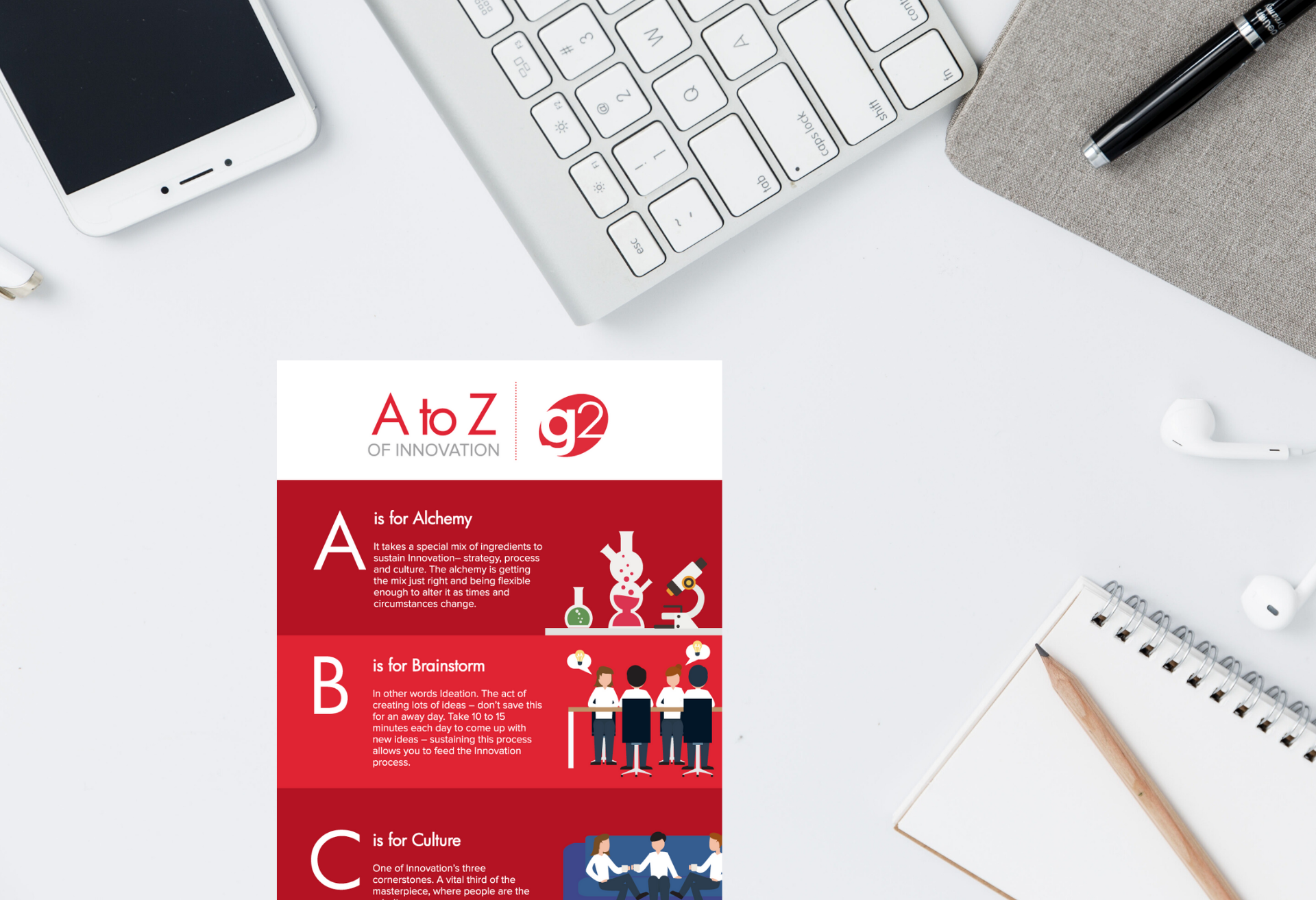
There’s nothing quiet like looking back on something you created over a decade ago, and realising it’s stood the test of time. That’s the case with this infographic, so we thought we’d share it again.
There’s nothing quiet like looking back on something you created over a decade ago, and realising it’s stood the test of time. That’s the case with this infographic, so we thought we’d share it again.
Very few workplaces escaped a multitude of change as a result of Covid-19. So which paradigm shifts should be maintained as we transition back to the workplace? We spoke to HR practitioners about what their ‘new’ old workplace might look like.
Whether virtual, blended or in-person, being able to run effective meetings is essential for reducing silos and increasing innovation. We provide some of our top tips…
We are coming to a cross-roads. To settle into our new daily routine of remote working and wait for ‘normality’ to return or to create more change? Valuable, innovative, exciting change…
Ever heard the catch cry ‘come to me with a solution and not a problem? Here we explore why the opposite should be true…
The Future of Work is here. So why are we using the language of the past, to describe new ways of working?
When it comes to innovating, siloes are one of the biggest challenges for organisations. One way to break down these siloes is by holding cross-functional meetings. But Ugh! Doesn’t everyone hate meetings?
Here’s 5 Ways to Make Your Meetings More Effective.
Customer-centricity is fundamental to the success of any organisation. Many organisations are transforming their ways of working to be more customer-centric, but for teams such as Procurement, Finance, Audit and Compliance the customer can feel far removed from their work, and internal requirements can overshadow the greater purpose.
The Procurement and Systems team of our client, a major healthcare provider faced just this challenge. Here’s how we helped them overcome it.
We speak of ‘the future world of work’ as if it’s a destination we will arrive at one day. But the world of work is dynamic, in constant transition, since time began. Many of the skills to help you thrive are human-centred, skills that can’t be automated by machines. Here’s 8:
People want to work for purpose-led organisations, they want employee experiences that make a difference to them personally, that care for the environment and greater inclusivity. If the world and the way we work is changing that means a redesign of the organisational structure.
We believe that every leader in the 21st century needs to be innovative. In this infographic we share the qualities you need.
As part of the Commonwealth Government’s Innovation Month to celebrate thinking differently, being creative and trying new approaches, they invited organisations to share their stories with the theme: Test, Fail, Lean and Deliver. We couldn’t resist.
Innovation relies heavily on data, experimentation, analysis and iteration. Does this leave a place for gut instinct?
When thinking about innovation, we often think of Google, Uber, the iPod, but these are radical innovations and quite rare. In successful businesses, around 70% of their innovation is incremental - small improvements like software upgrades, new flavours or a grip on the handle. How do organisations stay competitive driving more radical forms of innovation?
According to the Design Management Institute, ‘Every dollar spent on UX brings between $2 and $100 in return and design-centric companies 500 leading industries of US economy by 211%. So, how can Design Thinking save your business money? Here are 4 ways:
We use Design Thinking as the engine for innovation. But, Agile and Lean are also high-rotation words in the innovation space. So, what are they? And what’s the difference?
People tell me that innovation is very IMPORTANT to their organisation. It might be a key strategic pillar or a core value and that is good. But, how URGENT is innovation to your organisation? When I ask people this question, they wonder what the difference is or if it’s a trick question.
Since the dawn of evolution, humans have communicated stories on cave walls, at the camp fire, through song, literature, film and advertising. There are many powerful reasons to tell stories - they give people a sense of purpose and belonging, unite over a common cause and reinforce identity. But there are shadow sides to storytelling…
Mike Oates completed his Master’s in Innovation Management in the UK and has just completed a 6 month internship at G2. At first we wondered if we would have enough work to keep him busy, before we knew it he had made himself irreplaceable. We asked Mike to write about his experience, this is what he said.
Why are organisations embracing design thinking to create a positive employee experience? We asked our resident HR expert, Kate O’Halloran this and other questions…







![10 Qualities of a Successful Innovation Leader [Infographic]](https://images.squarespace-cdn.com/content/v1/5476dee1e4b017ea6bb1b33a/1570672334092-ZVZ11Q4LOMQY04BYNJ2D/10-Qualities-of-a-successful-innovation-leader_G2-Innovation-compressed-1.png)